
Started in Australia. Evolved in India.
In 2004, UNIBIC travelled from Australia to India.
We found a new home, grew with India, and became something uniquely our own.
Proudly Indian ever since.
Get to know UNIBIC
Two cookies. Then a whole company.
From ANZAC and Bradman to a whole family of flavours, UNIBIC has grown around one idea: a cookie worth making time for.
Headquartered in Bengaluru, our team brings together industry experience and the investment expertise of Peepul Capital.
80+
Snacks
to discover
800+
People behind
every cookie
The making of UNIBIC. Peek behind the pack.
Every great snack has to come from somewhere. Ours come from factories running 20+ production lines, with a combined capacity of 89,257 tonnes a year.
20+Production lines
89,257Tonnes a year
That’s a lot of tea-times.
A LOT of lunchboxes.
And a lot of very happy snack drawers.

Wire-cut, not moulded.
UNIBIC was the first in India to use wire-cut technology. A thin wire cuts softer dough into individual cookies, keeping the fruit, nuts and chocolate pieces intact.
That distinctive texture starts here — on two of the world’s fastest wire-cut cookie lines.
Certified by the experts.
From the production line to the finished pack, our manufacturing standards put quality first.
 British Retail Consortium
 Good Manufacturing Practices
 Hazard Analysis and Critical Control Points
 Halal certification
What we stand for. In everything we do.
Ownership
We step up and see things through.
We take charge, make decisions in UNIBIC’s best interests and care for resources as our own. We deliver on our commitments, go the extra mile and finish what we start with pride and responsibility.
Bias for Action
We make things happen.
We simplify, act quickly and adapt faster, keeping outcomes in focus. We take calculated risks guided by relevant facts and data, choose progress over perfection and learn by doing.
Respect
We win the right way.
We listen to diverse views, give feedback with empathy and build trust through transparency. We treat colleagues and partners with fairness, dignity and openness, value each other’s time and resources, and improve rules and processes without cutting corners.
Good times. Better together.
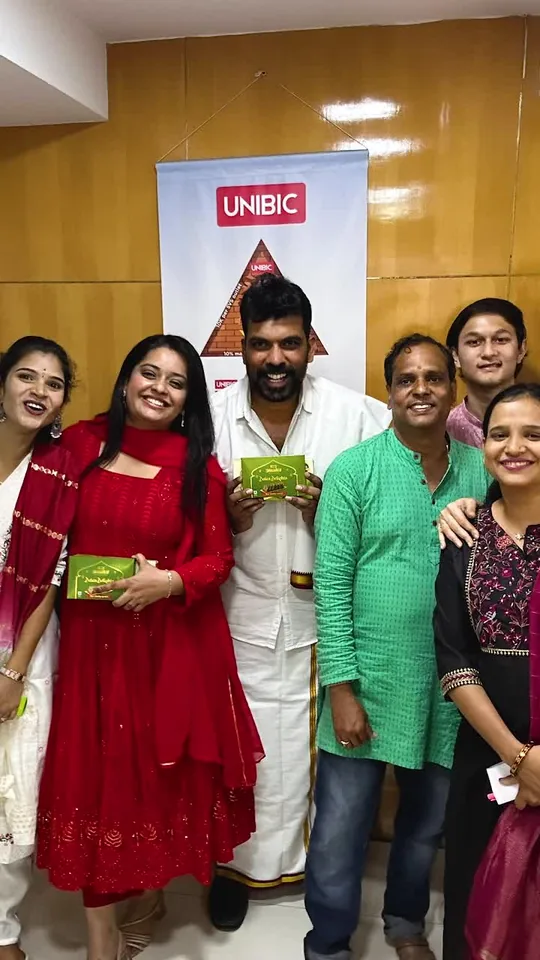
Festivals, team traditions and little reasons to celebrate. A glimpse of life around UNIBIC.
Explore our communityA new year.
Ugadi celebrations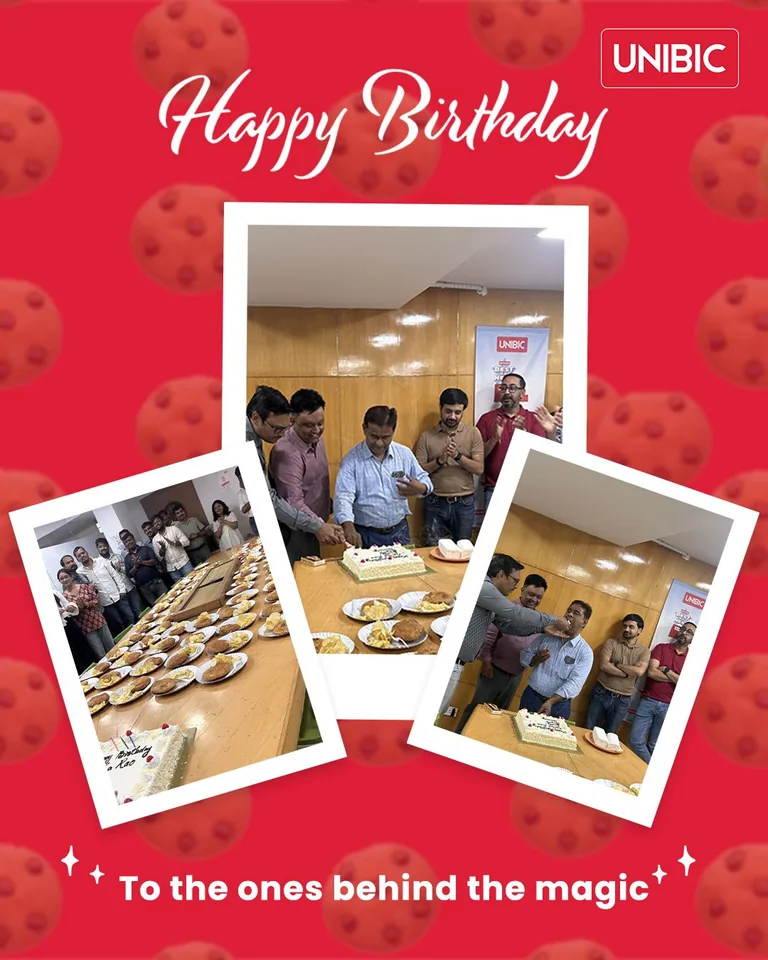
There’s always
something to celebrate.
Team birthdays 
Good work.
Bigger goals.
Townhall Updates
Company information
Company records, annual returns and statutory disclosures.